Food Packaging Paper Types & Paper Cupcake Size Chart (2026)
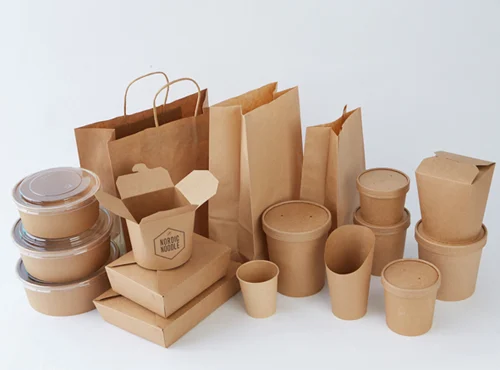
Choosing the right paper isn't just about aesthetics; it’s about "fit-for-purpose" engineering. I’ve seen distributors lose thousands in transit because they chose a standard Kraft when they needed a high-GSM greaseproof, or failed to match their paper cupcake size chart to the actual moisture content of their batter.
In 2026, the global shift away from single-use plastics has made the "paper vs. plastic" debate obsolete—the real question now is which type of paper meets the EU’s PPWR requirements while keeping your costs down. From our Wuhan manufacturing hub, we produce millions of units monthly. I’m Iris Lei, and I’m going to walk you through the seven essential paper types and the technical specs you need to avoid "greenwashing" traps. —Iris Lei, Xinyujie
Get FREE Custom Printed Samples!
Before committing to a 40ft container, you need to feel the grammage. We ship evaluation packs globally within 48 hours. Contact our engineering team here.
Different Types of Paper Used in Food Packaging
Every paper type has a specific "barrier personality." Some handle high heat; others handle oil. Below is the technical breakdown every B2B buyer should have in their procurement folder.
1. Kraft Paper Food Packaging
Kraft is the "workhorse" of the industry. Made from chemically treated wood pulp, it’s designed for mechanical strength. In our facility, we see the highest demand for unbleached brown Kraft because it signals "eco-friendly" to the end consumer without needing a word of marketing copy.
Benefits for Food Packaging
Kraft’s long fibers provide superior tear resistance. We typically coat it with a thin layer of PLA or aqueous dispersion to make it moisture-resistant. It’s the primary material for our heavy-duty delivery bags and pizza liners.
Applications
Used extensively for cereal boxes, snack bags, and dry food wrapping. If you are shipping bulk dry goods, Kraft’s breathability prevents the "sweating" common in plastic-lined containers.
Paper Bags with Round Handle
A retail staple. For 2026, we’ve updated our round-handle bags to include reinforced bases, allowing a standard medium bag to hold up to 8kg of weight without failure.
FEATURES
FSC-certified white or brown Kraft options.
Grammage ranges: 60 GSM to 120 GSM.
MOQ: 2,000 pieces for custom logos.
2. Wrapping Tissue Paper
Tissue paper is about "presentation and protection." It’s often the first layer a customer touches when unboxing a premium pastry or a gift-packed food item.
Benefits for Food Packaging
Beyond aesthetics, acid-free tissue prevents the yellowing of products. It acts as a secondary moisture wick, absorbing trace amounts of humidity in the packaging headspace.
Applications
Commonly used for wrapping sushi, artisanal chocolates, and pastries. It keeps the "crisp" in the crust by preventing direct contact with colder external air.
Larcenciel Tissue Paper
We’ve developed high-absorbency tissue that is completely free of chemical scents. It’s biodegradable and hypoallergenic—crucial for high-end hospitality clients.
3. Greaseproof Paper for Food Packaging
This is where the science gets interesting. Greaseproof paper is made by "beating" the pulp until the fibers are so tightly packed that they become non-porous to oils.
Expert Insight: The Oil Resistance Test
Don't just trust a "greaseproof" label. We use the KIT Test (TAPPI T 559) to measure how well the paper resists penetration. For fried chicken or buttery pastries, you should be looking for a KIT rating of 7 or higher. If your current supplier can't give you a KIT number, your packaging is at risk of "oil staining."
Applications
Burger wraps, taco liners, and butter wraps. It’s also the base material for many items in our paper cupcake size chart, ensuring the cake doesn't stick to the liner.
4. Glassine Paper
Glassine is super-calendered paper. It looks translucent and feels smooth, almost like plastic, but it is 100% cellulose. It is naturally grease, air, and water-resistant without added chemicals.
Benefits for Food Packaging
It’s a fantastic barrier against odors. If you are packaging aromatic spices or nuts, glassine keeps the aroma inside the bag. It is also heat-sealable for hermetic packaging.
Flat Glassine Waxed Paper Treat Bags
These offer high visibility for sweets and nuts. Our 1mm thickness bags are a favorite for farmers' markets because they look "premium" but are fully compostable.
5. Vegetable Parchment Paper
Parchment goes through an acid bath (sulfurization) that makes it extremely dense and heat-resistant. It won't lose its strength even when wet or exposed to 220°C (428°F) temperatures.
Benefits for Food Packaging
It’s the gold standard for non-stick. We recommend unbleached parchment for B2B brands wanting a "natural" look for their baking kits.
Unbleached Parchment Paper Squares
Perfect for interleaved deli meats or frozen patties. They prevent freezer burn and make separation easy for the end-user.
6. Waxed Paper Food Packaging
Waxed paper is moisture-proof from both sides. We use soy-based or paraffin waxes depending on the client’s sustainability requirements.
Applications
Ideal for cold sandwiches and wraps. Note: Waxed paper is not heat-resistant. If you put it in the oven, the wax will smoke. For hot food, always stick to Parchment or Greaseproof.
Dry Waxed Gusseted Paper Sandwich Bags
A reusable-style paper bag that repels water. It’s a durable alternative to plastic zip-bags for the "eco-conscious" retail sector.
7. Paperboard Food Containers
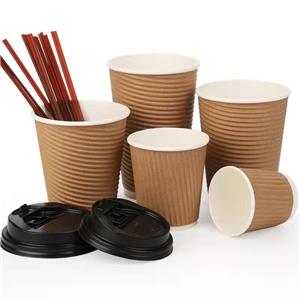
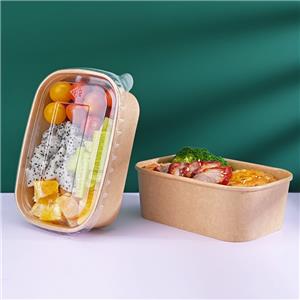
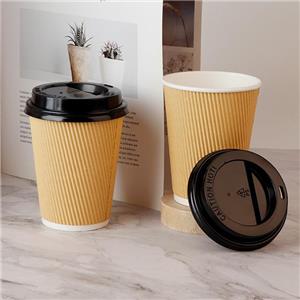
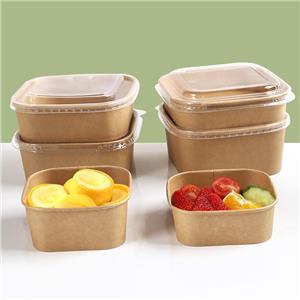
This is what we use for our famous Xinyujie paper cups and food buckets. It’s thick, rigid, and can be molded into various shapes.
Benefits for Food Packaging
It handles high-speed filling lines without buckling. For 2026, we’ve switched to aqueous barrier coatings for most paperboard containers, making them "home compostable" under OK Compost standards.
Choosing the Right Paper for Your Needs: A Quick Guide
I get asked a lot about volumes. A common question from our condiments clients is "how many oz peanut butter in a cup?" or "how many cups in 40 ounces of peanut butter?" For reference: 40 oz of peanut butter is roughly 4.5 standard cups. If you’re packaging this, you need a high-GSM greaseproof paperboard to handle the density.
Standard Paper Cupcake Size Chart (B2B Specs)
When sourcing liners, use these paper cup sizes in cm for your mold calculations:
| Cupcake Type | Bottom Dia (cm) | Wall Height (cm) | Recommended Paper |
|---|---|---|---|
| Mini | 3.1 cm | 2.0 cm | Glassine / Greaseproof |
| Standard | 5.0 cm | 3.2 cm | Vegetable Parchment |
| Muffin/Large | 5.5 cm | 4.0 cm | Heavy-duty Greaseproof |
| Jumbo | 6.3 cm | 4.5 cm | 250 GSM Paperboard |
Beyond Basic Types: Advanced Features & Considerations
In 2026, the caliper (thickness) is just as important as the paper type. A "brown paper roll for food" might look the same, but if the caliper varies by more than 5%, your automated wrapping machine will jam. We maintain a ±2% tolerance in our Wuhan factory to ensure zero-downtime for our clients.
Food Safety & Sustainability: What You Need to Know
"Food Grade" is a legal floor, not a ceiling. We adhere to FDA 21 CFR 176.170 and the latest EU PPWR (Packaging and Packaging Waste Regulation). This means our adhesives and inks are also monitored. If your supplier isn't talking about their ink migration reports, you're at risk of regulatory fines in the EU and North America.
Frequently Asked Questions
What is the most common paper cupcake size?
The standard size has a 5.0 cm (2-inch) bottom diameter and a 3.2 cm wall height. Most commercial baking pans are built for this paper cupcake size chart spec.
How many oz of peanut butter in a cup?
A standard 8-oz measuring cup holds approximately 9 oz (255g) of peanut butter due to its high density. If you are calculating for 40 oz, you will need about 4.5 cups of volume.
What is the difference between bleached and unbleached paper?
Bleached paper is white (chemical process), while unbleached is brown (natural). Unbleached is generally preferred for sustainable branding and is often stronger because the fibers haven't been weakened by bleach chemicals.
Can greaseproof paper be recycled?
Yes, as long as it isn't heavily contaminated with food waste. However, "compostable" is often a better end-of-life route for greaseproof paper in the food service sector.
Conclusion
The right paper type is the difference between a soggy mess and a premium brand experience. Whether you need a paper cupcake size chart for a new bakery line or a greaseproof solution for a global burger chain, Xinyujie provides the factory-direct expertise to get it right. Sample today, ship tomorrow.
Need a Technical Specification Audit?
Not sure which GSM or paper type fits your product? Our engineers provide free material consultations for B2B orders.
Get Factory-Direct Pricing View CatalogIris Lei
Export Manager at Xinyujie — Food packaging manufacturing expert with 15 years in global supply chains. Helping brands navigate the 2026 eco-transition.