Gelato vs Ice Cream: 8 Differences That Actually Matter
Gelato is denser, lower in fat, served warmer, and churned with less air than ice cream. Those four variables—fat content, overrun, serving temperature, and churning speed—create everything else you notice: texture, flavor intensity, melt rate, portion size.
Most "gelato vs ice cream" guides stop at the taste. This one goes further. I ship paper ice cream cups and gelato cups to dessert shops across 35+ countries, and the physical differences between these two products change everything—from cup shape and wall thickness to how many servings you get per kilogram of mix. —Iris Lei, Xinyujie
In This Guide
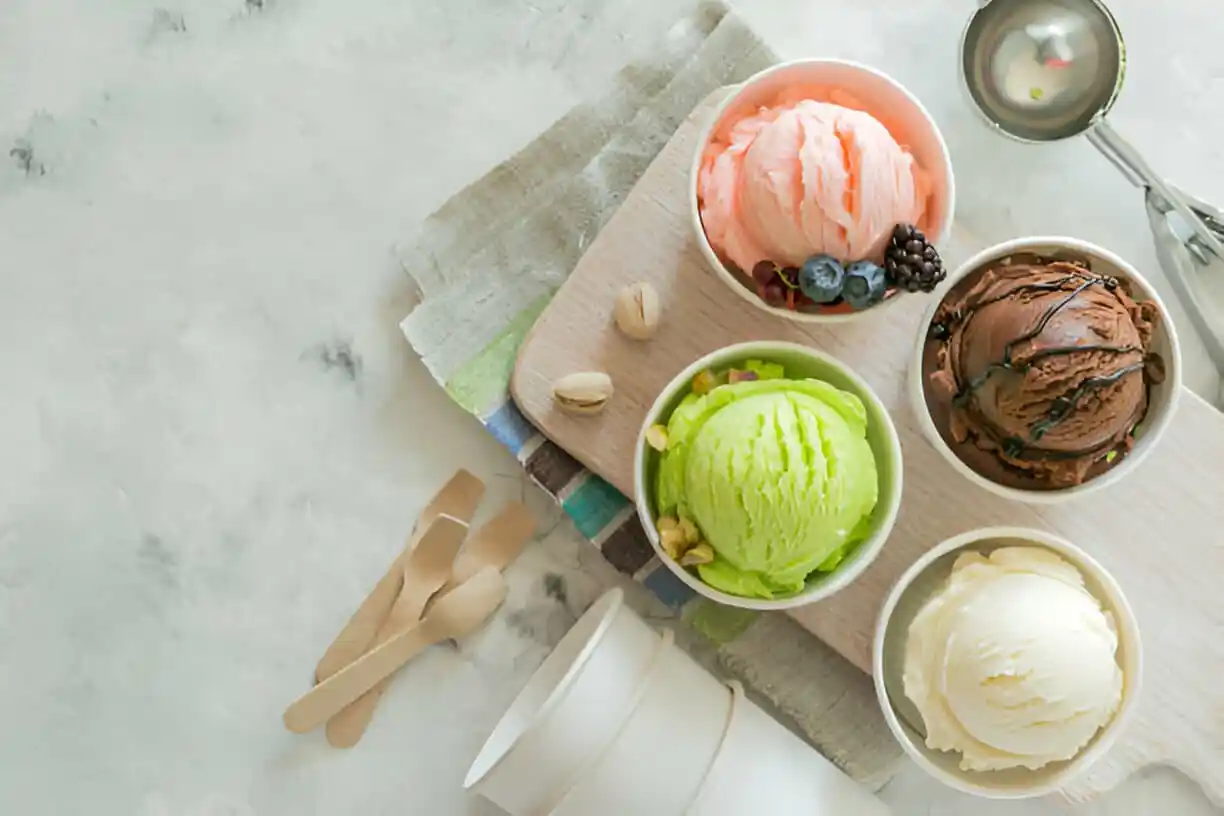
Gelato vs Ice Cream: Side-by-Side Comparison
| Factor | Gelato | Ice Cream |
|---|---|---|
| Fat content | 4–8% | 10–16% |
| Overrun (air) | 15–30% | 50–60% |
| Serving temp | −11 to −14°C | −18 to −20°C |
| Primary dairy | Whole milk | Heavy cream |
| Eggs | Rarely used | Common (custard base) |
| Texture | Dense, silky, elastic | Light, creamy, fluffy |
| Serving tool | Flat spade | Round scoop |
| Calories per 100g | ~160–210 | ~200–270 |
Fat ranges based on USDA and Italian artisan gelato standards. Calorie ranges vary by flavor and brand.
8 Key Differences Explained
1. Fat Content: 4–8% vs. 10–16%
The FDA requires ice cream to contain at least 10% milkfat. Most premium brands run 14–16%. Gelato has no federal fat minimum in the U.S., but Italian tradition keeps it between 4% and 8%, relying on whole milk rather than heavy cream.
That fat gap changes flavor perception. Fat coats your tongue and mutes subtle notes. Lower-fat gelato lets pistachio, hazelnut, and citrus flavors hit faster and fade cleaner. Ice cream delivers richness and lingering mouthfeel instead.
2. Overrun (Air): Dense vs. Fluffy
Overrun is the percentage of air whipped into frozen dessert during churning. Gelato is churned slowly in smaller machines, incorporating only 15–30% air. Ice cream is whipped at higher speed: 50–60% overrun for premium brands, up to 100% for budget products.
Here's why that matters commercially: 1 liter of gelato mix produces roughly 1.2 liters of finished product. The same volume of ice cream mix yields 1.5–1.6 liters. More air = more servings per batch, but also lighter perceived value per spoonful.
3. Serving Temperature
Gelato is served at −11 to −14°C. Ice cream at −18 to −20°C. That 6–8 degree gap isn't trivial—it determines whether your taste buds register flavor or go numb.
Cold suppresses flavor perception. Gelato's warmer serve lets you taste more with less fat. But it also means gelato melts faster once in the cup. If you're running a takeaway counter, melt rate directly affects customer complaints and cup selection.
4. Dairy Base: Milk vs. Cream
Gelato starts with whole milk, sometimes blended with a small proportion of cream. Ice cream starts with cream, supplemented with milk. The dairy ratio drives the fat percentage—and the cost. Cream is roughly 2–3× more expensive than whole milk per liter, which is part of why gelato's ingredient cost can run lower despite its "premium" positioning.
5. Eggs
Traditional French-style ice cream uses egg yolks as an emulsifier—typically 3–6 yolks per liter of base. Most gelato skips eggs entirely or uses 1–2 yolks in select flavors like crema or zabaione.
For food service operators, this matters for allergen labeling. Egg-free gelato simplifies compliance with allergen disclosure regulations and broadens your customer base.
6. Texture
Less air + less fat + warmer temperature = gelato's signature dense, silky, slightly elastic texture. It doesn't flake apart like scooped ice cream—it spreads. Ice cream is lighter, more aerated, and holds its shape longer in a cone or cup.
7. Flavor Intensity
Lower fat content and warmer serving temperature let gelato deliver flavor faster and more directly. A pistachio gelato made with Sicilian pistachios will taste distinctly nuttier than a pistachio ice cream with the same ingredient, because there's less fat dampening the signal.
That intensity also means gelato portions can be smaller without feeling insufficient. A typical Italian gelateria serves 70–100g. A U.S. ice cream shop serves 120–180g. Customers perceive equal satisfaction at different weights.
8. Serving Tool: Spade vs. Scoop
Gelato is served with a flat paddle or spade—pressed, folded, and shaped against the cup wall. Ice cream is portioned with a round scoop that forms neat balls. Not just aesthetics: the spade technique works because gelato's density resists scooping. You'd tear apart a gelato batch trying to ball-scoop it at −12°C.
Which Is Healthier: Gelato or Ice Cream?
Gelato is lower in fat and usually lower in calories—roughly 160–210 kcal per 100g versus 200–270 kcal for ice cream, depending on flavor. It also typically contains less sugar (10–14g per 100g vs. 15–20g).
But "healthier" depends on what you're optimizing for. Ice cream's higher fat content provides more satiety per serving. Gelato's flavor intensity may lead people to eat less. Neither is a health food. The honest answer: in standard portions, gelato delivers fewer calories and less fat, but the margin shrinks once you factor in real-world serving sizes and toppings.
Why These Differences Matter for Packaging
If you're running a gelato or ice cream program, the dessert's physics should drive your cup spec—not the other way around.
Gelato's density means more weight per cup. A 5-oz gelato cup holds roughly 130g of product vs. 85–90g for ice cream at 60% overrun. Your cup needs thicker walls to handle the weight without collapsing.
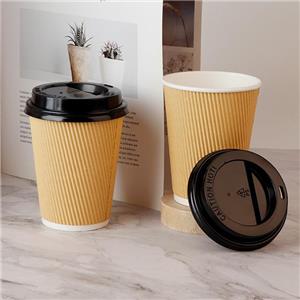
Gelato's warmer serve temp accelerates surface melting. Grease-resistant inner coatings (PE or PLA) prevent seepage and softening. For takeaway, double-wall construction helps.
Ice cream's higher overrun means product sits taller in the cup. You need more headroom and dome lids to avoid crushing the top during lidding.
Gelato's spade service requires wider cup openings for the flat paddle to spread product against the wall.
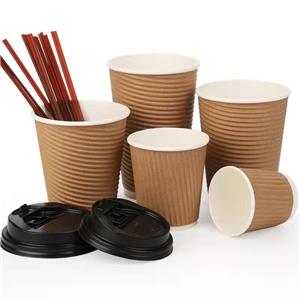
We manufacture paper ice cream cups from 3 oz to 16 oz with PE or PLA lining, and we adjust wall thickness and mouth diameter based on whether the cup is running gelato or ice cream. It's a small spec difference that prevents real operational problems—soggy cups, collapsed walls, lid pop-offs.
Frequently Asked Questions
What is the main difference between gelato and ice cream?
Fat and air. Gelato uses 4–8% milkfat and 15–30% overrun. Ice cream requires at least 10% milkfat (FDA standard) and typically incorporates 50–60% air. This makes gelato denser, smoother, and more intensely flavored.
Which is healthier, gelato or ice cream?
Gelato is generally lower in fat (4–8% vs. 10–16%) and calories (~160–210 vs. ~200–270 kcal per 100g). But serving size matters—a large gelato portion can match a standard ice cream serving in total calories.
Can I use the same cup for gelato and ice cream?
You can, but it's not ideal. Gelato's density and warmer serve temperature call for wider-mouthed, thicker-walled cups with strong grease barriers. Ice cream needs taller cups with dome lids to accommodate higher overrun volume.
Why does gelato taste stronger than ice cream?
Two reasons: less fat to coat your tongue and mute flavor, plus warmer serving temperature (−12°C vs. −20°C) that keeps your taste buds more responsive. Same ingredient quality, more perceptible flavor.
How many gelato servings per kilogram of mix?
At 30% overrun, 1 kg of gelato mix yields roughly 11 cups at 90g each. Ice cream at 60% overrun yields about 16 cups from the same base weight. Factor this into your portion costing.
Does gelato contain eggs?
Most gelato is egg-free or uses minimal egg yolk in select flavors. Traditional ice cream—especially French-style custard bases—commonly includes 3–6 egg yolks per liter. This distinction simplifies allergen labeling for gelato products.
Pick the Cup That Matches the Dessert
Gelato and ice cream look similar in the display case but behave differently in a cup. Density, melt rate, serving tool, and temperature all affect which cup works—and which one fails at the counter.
We make both gelato cups and ice cream cups at our Wuhan factory, 3 oz through 16 oz, with custom printing and PE or PLA lining. Tell us what you're serving and we'll recommend the right wall thickness, mouth diameter, and lid pairing.
Need Cups Spec'd for Your Dessert Line?
Free samples — gelato cups, ice cream cups, lids — shipped with spec sheets.
Request SamplesBrowse Ice Cream CupsIris Lei
Export Manager at Xinyujie — a paper cup manufacturer in Wuhan, China, supplying dessert shops, cafés, and distributors across 35+ countries since 2014.