Plastic Coffee Cup Lids: PS, PP, and the 2026 Sustainable Shift
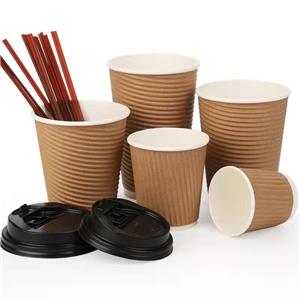
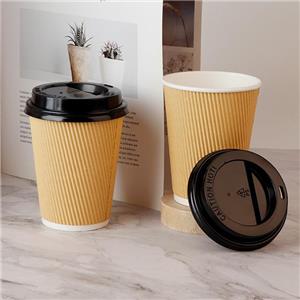
Most plastic coffee cup lids are made from either Polystyrene (PS, #6) or Polypropylene (PP, #5). While PS was the industry standard for decades due to its low cost and rigidity, 2026 regulatory shifts—including the EU’s PPWR and updated state bans in California and Washington—have pushed high-heat PP and compostable alternatives into the mainstream.
Choosing the right material isn't just about price anymore; it’s about heat deflection, "leaking" complaints from customers, and staying ahead of plastic-reduction laws. I've spent 15 years in the production halls of our Wuhan facility, watching these resins evolve from simple petroleum byproducts to the high-performance, and now sustainable, barriers we use today. Here is exactly what is sitting on top of your coffee cup. —Iris Lei, Xinyujie
In This Guide
1. Polystyrene (PS, #6): The Rigid Classic
If you see a #6 symbol inside the recycling triangle, the lid is Polystyrene. PS is favored by high-volume distributors because it is exceptionally cheap and holds its shape with a satisfying "click" when snapped onto a cup.
The technical side: PS has a glass transition temperature (the point where it starts to soften) around 90°C to 100°C (194°F–212°F). While that sounds high enough for coffee, it sits very close to the boiling point. If a lid is too thin, it becomes brittle.
The 2026 Reality: Many of our clients in the EU and Australia are moving away from PS. Why? It is notoriously difficult to recycle in small formats like lids, and it’s increasingly targeted by "Single-Use Plastic" (SUP) directives. At Xinyujie, we still manufacture PS lids for traditional markets, but we always advise clients to check local local legislation first.
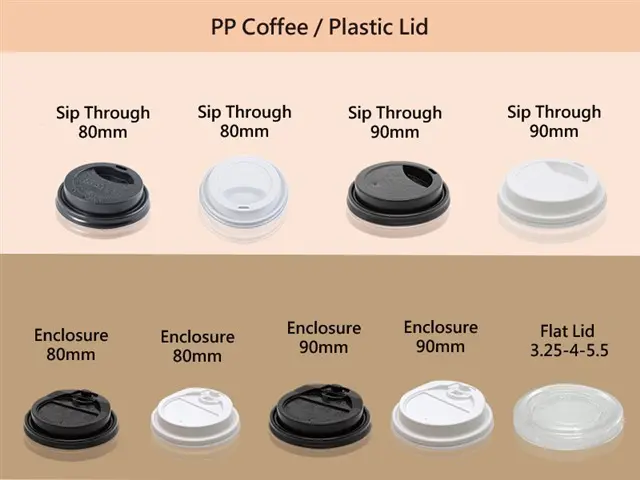
2. Polypropylene (PP, #5): The High-Heat Workhorse
Polypropylene—marked with #5—is the gold standard for plastic lids for coffee cups in 2026. It is more flexible than PS, meaning it won’t crack if the cup is squeezed, and it handles heat significantly better.
Heat Tolerance: PP can withstand temperatures up to 120°C (248°F). This is essential for extra-hot lattes or long-haul deliveries where the lid is exposed to steam for 30+ minutes.
Durability: It has excellent fatigue resistance (the "living hinge" property), which is why splash-proof flip-top lids are almost always made of PP.
Chemical Safety: PP is generally considered more stable than PS at high temperatures, reducing concerns about chemical migration into hot liquids.
3. Polyethylene Terephthalate (PET, #1): Clear Lids for Cold Brews
You’ll rarely see PET used for hot coffee. Its heat resistance is poor (it can warp at 60°C). However, for plastic coffee lids on iced beverages or frappes, PET is the undisputed king. It is crystal clear, allowing the consumer to see the whipped cream or the layers of the drink, and it is the most widely recycled plastic globally (#1).
Disposable Coffee Cup Lids: Material Comparison
| Material | Recycle Code | Max Temp | Primary Use | Legal Status (2026) |
|---|---|---|---|---|
| Polystyrene (PS) | #6 | 90°C | Economy Hot Lids | Banned in many EU regions |
| Polypropylene (PP) | #5 | 120°C | Premium Hot Lids | Widely Accepted |
| PET | #1 | 60°C | Cold Drink Domes | Highly Recyclable |
| CPLA | #7 | 85°C | Eco-friendly Hot Lids | BPI/OK Compost required |
4. The Shift to Plastic-Free: Paper, Bagasse, and Sugarcane
"No more plastic" is the 2026 mantra for major coffee chains. If you are sourcing for a brand in California or Europe, you are likely looking at alternatives to traditional coffee cup lids plastic.
Sugarcane Bagasse Lids
Made from the fibrous residue of sugarcane stalks, these are 100% compostable. They have a "textured" feel and are surprisingly strong. Since they are fiber-based, they don't have a melting point—they simply biodegrade. We’ve seen a 40% surge in demand for bagasse lids since the 2025 Pack Expo.
Aqueous Coated Paper Lids
At Xinyujie, we’ve perfected the paper lid. It uses food-grade virgin fiber with a water-based (aqueous) barrier coating. No plastic film, no PE, just paper. It matches our sustainable paper cups perfectly. They are repulpable, meaning they can go straight into the paper recycling bin with the newspaper.
Frequently Asked Questions
What are disposable coffee lids made of?
Most are made of Polypropylene (PP, #5) or Polystyrene (PS, #6). For cold drinks, PET (#1) is standard. Sustainable versions are made from CPLA (crystalized corn starch) or sugarcane bagasse fiber.
Are plastic coffee cup lids recyclable?
Technically, PP (#5) and PET (#1) are highly recyclable. However, because they are small and often contaminated with coffee, many local recycling centers reject them. Check for "Repulpable" paper lids if you want the highest actual recycling rate.
How can I tell the difference between PS and PP lids?
Look at the underside of the lid for the recycling triangle. A "5" means Polypropylene (better for heat). A "6" means Polystyrene (more brittle). PP is often slightly more opaque, while PS is very rigid and can be made clear.
Is there a BPA-free plastic for coffee lids?
Yes, both PP and PS are generally BPA-free. BPA (Bisphenol A) is typically found in polycarbonate plastics, which are not used for disposable lids. Our lids at Xinyujie are certified food-safe and comply with FDA and CE standards.
What is the best plastic for hot coffee lids?
Polypropylene (PP) is widely considered the best choice for hot coffee due to its high melting point (120°C) and durability. However, if your market has a plastic ban, sugarcane or paper lids are the superior choice.
Why are some lids labeled "PLA" or "CPLA"?
CPLA stands for Crystalized Polylactic Acid. It is a plant-based plastic made from corn starch. Unlike regular PLA (which melts in hot coffee), CPLA is heat-resistant up to 85°C and is 100% compostable in industrial facilities.
Conclusion: Choosing the Right Lid for Your Brand
The material choice for plastic coffee cup lids depends entirely on your balance of cost, performance, and compliance. For pure cost-efficiency in non-regulated markets, PS still has a place. For premium performance and safety, PP is the winner. For 2026-ready sustainability, fiber-based lids are the future.
At Xinyujie, we provide factory-direct wholesale for all these materials. We can help you match the lid size precisely to our paper cup range to ensure a leak-proof experience.
Need Help Navigating Plastic Bans?
Get free samples of our PP, CPLA, and Bagasse lids to test the fit and heat resistance yourself.
Request Free Lid SamplesView CatalogIris Lei
Export Manager at Xinyujie — sustainable food packaging manufacturer in Wuhan, China. Helping global distributors navigate compliance and quality control for over a decade.