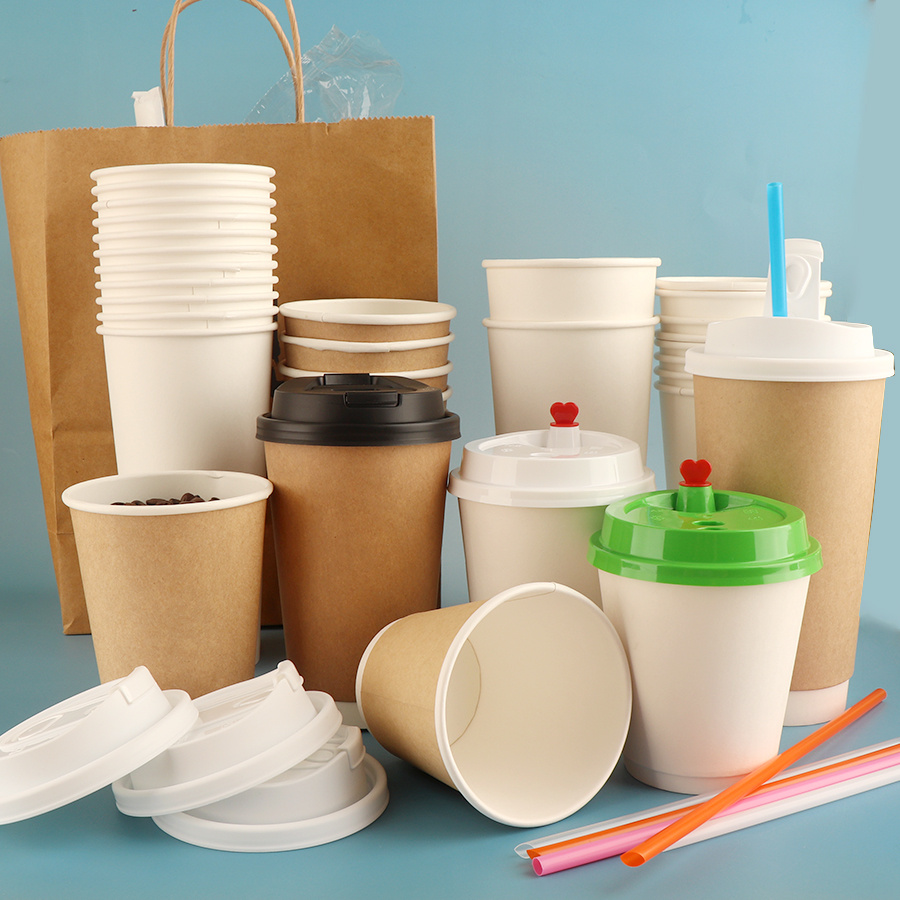
Most import problems are decided before the first carton is packed: in the specification sheet, the artwork proof and the compliance file. This checklist covers the eight checkpoints that matter.

Importing paper cups looks straightforward until a shipment lands with the wrong rim size, a seam leak rate that fails in-house testing, or a compliance file the destination port does not accept. Nearly all of those outcomes trace back to checkpoints skipped before production started. Here is the list we walk buyers through, in order.
1. Fix the specification sheet first
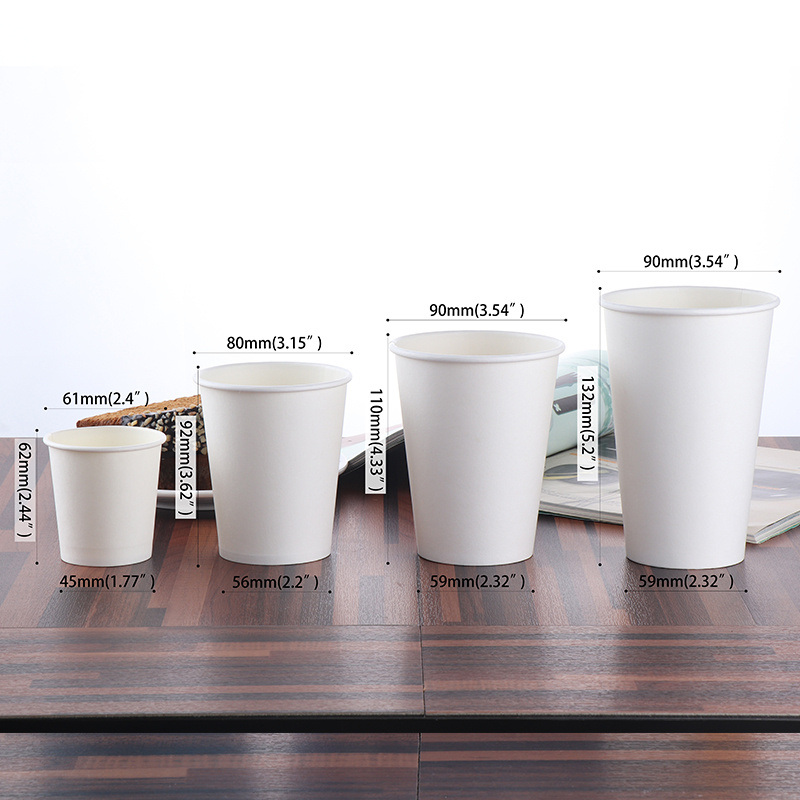
Volume, rim diameter, wall structure and lining are the four values everything else depends on. Rim diameter drives lid compatibility — a 90mm lid does not fit a 88mm rim — and the wall structure decides whether you also need sleeves. Put these four values in writing before requesting quotes, or you will be comparing prices for different products.
2. Understand what MOQ really means
MOQ is not one number: printing plates, board colour, lid tooling and lining type can each carry their own threshold. A factory may accept a low MOQ on a standard board colour but require a higher volume for custom kraft shades or unusual sizes. Ask for the MOQ per variable, not per product.
3. Get the lead time in calendar terms
Lead time typically runs from artwork approval, not from purchase order. If proof approval takes two weeks of back-and-forth, that is two weeks added to the schedule. Confirm the anchor date in writing, then add production, quality inspection and booking lead time for the shipping mode.
4. Check the compliance file, not the logo
Food-contact documentation should cover the board, the lining and the ink system, and should match your destination market's framework — FDA food-contact requirements for the US, EU food-contact material regulations for Europe. Ask for the actual documents per shipment rather than a certificate displayed on a website.
5. Approve a physical proof, not a PDF
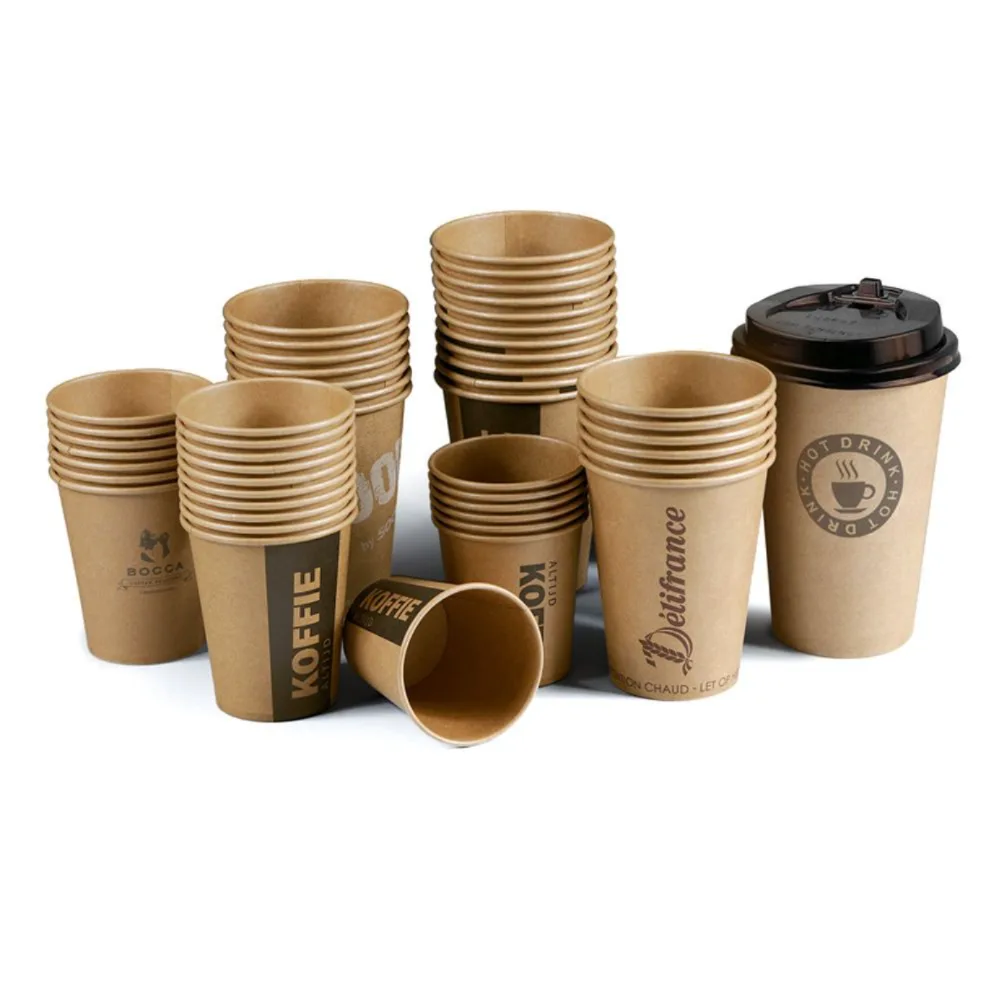
Print registration behaves differently on kraft board than on white board, and the colour you approved on screen may not match the flexo result. A physical printed proof costs a little and prevents the most expensive category of dispute.
6. Define the quality gate before shipment
Agree on the inspection standard: seam and base leak testing, rim and lid fit, print registration, carton drop tests. AQL sampling with a defined acceptance level beats "the factory checked it" every time.
7. Match the freight term to your cash flow
FOB and CIF move the risk point differently, and for bulky low-density goods like cups, volume weight can dominate the freight bill. Compare quotes on the same Incoterm and ask for carton dimensions to calculate real landed cost.
8. Plan the second order at the first one
Tooling and plates exist after the first run, so reorder lead times are shorter and unit prices drop. Locking a reorder schedule into the first contract usually improves both.
Summary
Import risk concentrates in the decisions made before production: specification, compliance documents, proof approval and inspection criteria. Buyers who put those four in writing almost never meet the classic failure modes; buyers who skip them usually rediscover this list the expensive way.