PET plastic cups warp at 60°C and are the most recyclable drink packaging (#1 resin). Temperature specs, rPET compliance, and buying checklist inside.
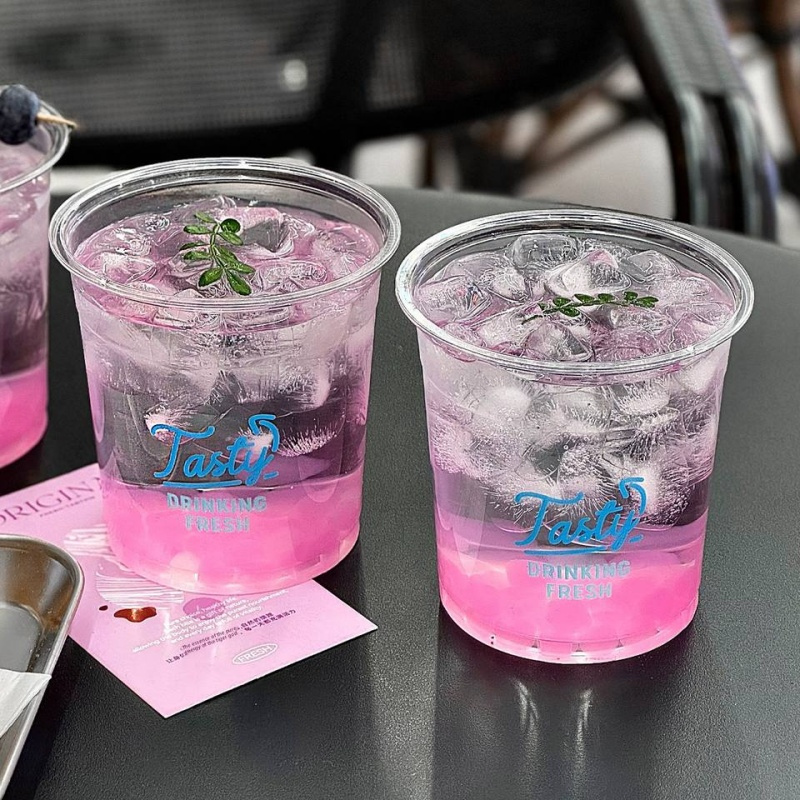
PET Plastic Cups: Temperature Limits, rPET Compliance and the Complete Buying Spec (2026)
PET plastic cups cannot hold hot drinks — they begin to deform at around 60°C (140°F). That single specification determines most purchasing decisions in food service, and it is also the reason PET dominates one market completely (cold drinks) while never touching another (hot drinks). This guide covers everything a buyer needs: how PET behaves, when to choose rPET instead, what food-contact compliance actually requires, and the exact specs to demand in writing from a supplier.
What Is PET? The Resin Behind the Clear Cup
PET stands for polyethylene terephthalate, identified by recycling code #1. It is a polyester resin produced at massive global scale — the same polymer used in water bottles — which is precisely why PET cups are inexpensive: the material benefits from one of the largest recycling and production infrastructures of any plastic on earth.
Three properties define PET as a cup material:
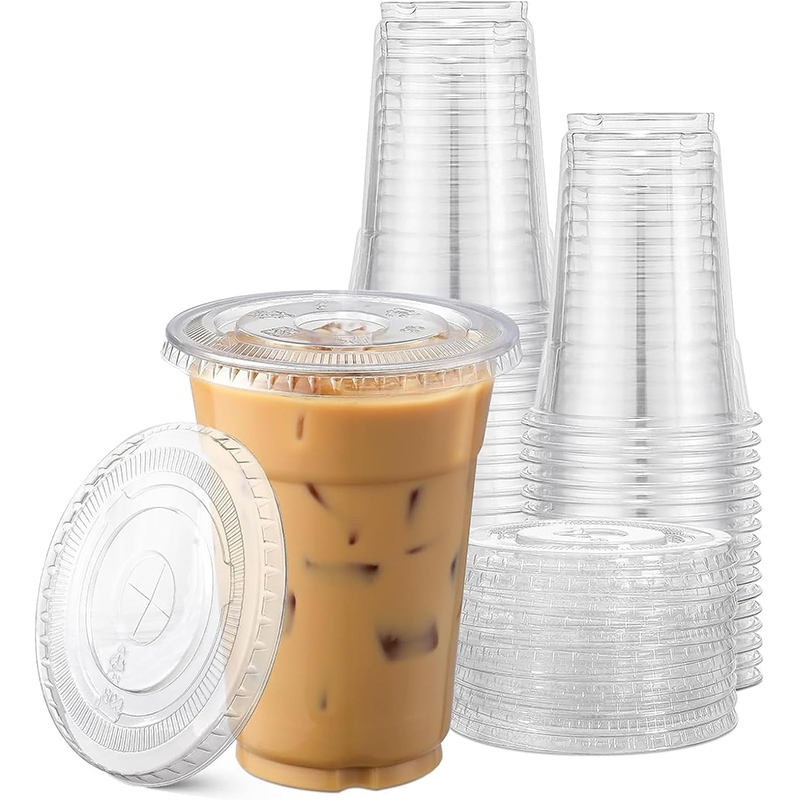
Optical clarity — haze below 2%, effectively glass-clear, which makes the cup a display case for layered drinks, fruit teas, and toppings
Rigidity at low weight — PET cups hold shape at wall thicknesses that would make PP cups floppy, reducing material cost per unit
High recyclability value — clear PET is the most valuable plastic bale in municipal recycling streams
What PET does not have is heat tolerance, and no supplier spec sheet changes that.
The Temperature Question: How Hot Is Too Hot for PET?
PET softens at approximately 60°C (140°F) and warps visibly with sustained contact above that. Pour 70–80°C coffee or tea into a PET cup and it distorts within seconds — the wall folds, the rim loses roundness, and the lid no longer fits.
The practical temperature ladder for cup resins:
Resin | Max Safe Temp | Hot Drinks | Cold Drinks | Microwave |
PET | ~60°C | ❌ | ✅ | ❌ |
rPET | ~60°C | ❌ | ✅ | ❌ |
PP (code #5) | ~100–120°C | ✅ | ✅ | ✅ |
PLA | ~40–50°C | ❌ | ✅ | ❌ |
PS (code #6) | ~70–90°C | Limited | ✅ | ❌ (banned in many markets) |
Two operational rules follow directly from this table:
Any menu with hot drinks needs PP cups for the hot line. There is no PET specification, coating, or thickness that fixes this — heat tolerance is a property of the polymer itself.
PET cups must carry the temperature warning in upstream marketing materials, because end customers will microwave leftovers. A printed line on the sleeve or a note in the product listing prevents most misuse complaints.
A simple supplier vetting test, usable on the spot: pour 70°C water into the sample cup. If the wall deforms, the resin is out of spec or mislabeled — reject the batch regardless of price.
PET vs PP: The Only Comparison That Matters for Cups
PET and PP are not competitors — they are a team divided by temperature. Businesses serving both hot and cold drinks should run two cup lines: PET (or rPET) for everything iced, PP for everything hot. Attempting to cover both with a single resin fails in one direction or the other: PP is slightly hazy and loses the display value that makes clear cups sell drinks; PET simply cannot survive hot fill.
Where the two resins genuinely compete is cold-drink cost and clarity:
PET wins on clarity and wall efficiency — thinner walls at equal rigidity mean less material per cup
PP wins on temperature forgiveness — a PP cup survives a mistake (hot fill, microwave) that destroys a PET cup
PET wins on recycling value — code #1 clear bales command higher prices than code #5
PP wins on lid compatibility with hot cups — PP lids and PP cups are tested as a system
For bubble tea, iced coffee, smoothie, and cold-brew businesses — the overwhelming majority of clear cup buyers — PET is the correct default, and this guide's remaining sections apply to that choice.
rPET: When Recycled Content Is Worth the Premium
rPET cups are made from post-consumer PET, typically 50–100% recycled content, with mechanical and optical performance essentially identical to virgin PET. They cost more — usually 10–25% — and they are becoming less of a differentiator and more of a requirement, as the EU's packaging regulation mandates progressively higher recycled content in food-contact plastic packaging.
The compliance point that matters most: rPET used for food contact must come from a certified super-clean recycling process. In the EU, that means an EFSA-approved process; in the US, an FDA food-contact notification. Recovered resin from uncontrolled sources is not legal for direct drink contact regardless of how clean it looks.
When requesting rPET quotes, demand these three items in writing:
Recycled content percentage — "contains recycled material" can legally mean 10%; specify the number
Process certification — EFSA opinion or FDA food-contact notification for the recycling process, with document numbers
Migration test reports — evidence the finished cup passes food-contact migration limits for your market (EU 10/2011 framework or FDA 21 CFR)
If a supplier cannot produce all three, the safe interpretation is that they are selling non-food-grade rPET.
Recyclability: What You Can Claim and What Gets You Sued
PET (#1) cups are recyclable in most municipal streams, and "recyclable" is the strongest, most defensible environmental claim available for drink packaging. Clear PET commands the highest bale value in the recycling market — which means a clear PET cup is more likely to actually be recycled than any colored or frosted alternative.
The claims that create legal risk:
"Biodegradable" — restricted or prohibited for plastics in the EU and several US states, because PET does not biodegrade in any meaningful timeframe
"Compostable" — only applicable to PLA, not PET, and only with EN 13432 / ASTM D6400 certification
"Eco-friendly" without specifics — increasingly treated as greenwashing in advertising standards regimes
The claim architecture that works: state the resin and code ("clear PET, #1"), state the recycled content if applicable ("made with 70% post-consumer rPET"), and point to certification where it exists. Every element specific, every element verifiable.
Sizes, Rim Diameters and Lids: The Specs That Control Cost
Plastic cup economics are decided less by capacity than by rim diameter, because the rim determines which lids and sealing films work across your range.
Capacity | Metric | Typical Use | Standard Rim |
9 oz | 270 ml | Small iced coffee, samples | 90mm / 95mm |
12 oz | 360 ml | Small bubble tea | 90mm / 95mm |
16 oz | 480 ml | Standard cold drink | 90mm / 95mm |
22 oz | 650 ml | Large smoothies | 95mm |
24–32 oz | 700–950 ml | Extra-large formats | 95mm |
Three rules that cut real money from operations:
Standardize on one rim diameter across all sizes. One lid SKU then serves the entire range, halving lid inventory and eliminating mis-fit leaks.
For film-sealing machines, demand rim tolerance data. Film sealers require rim roundness and diameter within tight tolerances; a 0.5mm variance produces seal failures that look like machine problems but are cup problems. Test cups with your actual machine before ordering volume.
Dome lids justify themselves on topping-heavy menus — the perceived-value lift on whipped cream and boba drinks reliably covers the small cost premium.
Custom Printing on PET: The Display-Case Rules
Clear PET cups are the highest-impact print surface in food service, because the logo sits against a colorful drink rather than a blank wall. The printing rules differ from paper:
Dry offset is the volume standard — 1–4 colors at low per-unit cost; digital printing serves low-MOQ campaigns
Print placement matters more than design complexity — a one-color logo positioned low on the cup stays visible above the drink line; full wraps hide the product you are selling
Ink side — printing is applied outside the cup; any ink with potential food contact must be food-grade certified in writing
MOQ reality — printed runs typically start at 20,000–50,000 units; digital starts around a few thousand for testing designs
The proven starter move: one-color print on the best-selling size only. Full-wrap sleeves and multi-color runs come after the design has proven itself on customer photos and social media.
Supplier Checklist: The Documents to Demand Before Ordering
PET cups are a commodity product, which makes documentation — not friendliness — the real supplier filter. Request all six in writing:
Resin identification per SKU — resin type, virgin vs recycled, recycled percentage
Food-contact compliance — FDA 21 CFR or EU food-contact declaration with document numbers
rPET process certification — EFSA opinion or FDA notification (rPET SKUs only)
Rim diameter tolerance spec — critical for lids and sealing film
Heat-deformation test data — supplier's own results, plus your 70°C water test on samples
Clarity and appearance standard — agreed acceptable limits for haze, flow lines, and die cuts
Importing from manufacturers in China, Vietnam, or Malaysia cuts unit costs 30–50% at container volumes, and PET's low weight means more units per container than paper equivalents. The stricter variable is paperwork: food-contact resin documentation should be complete before the container ships, not negotiated after customs raises questions.
Frequently Asked Questions
Can PET plastic cups hold hot drinks?
No. PET begins to deform at around 60°C (140°F), and hot drinks at 70–90°C warp the cup within seconds. Hot drinks require PP cups, which tolerate temperatures up to about 100–120°C.
What temperature can PET cups handle?
Around 60°C is the practical upper limit for sustained contact. Brief exposure to slightly higher temperatures may not cause immediate failure, but any hot-fill use is outside specification.
Is rPET food safe?
Only when produced through a certified food-contact recycling process — an EFSA-approved process in the EU or an FDA food-contact notification in the US. rPET without process certification is not legal for direct drink contact.
What is the difference between PET and rPET cups?
Performance is essentially identical in clarity, rigidity, and temperature behavior. rPET is made from recycled post-consumer PET (typically 50–100% content), has a lower carbon footprint, and costs 10–25% more. The critical difference is documentation: rPET for food contact requires certified super-clean recycling processes.
Are PET cups recyclable?
Yes — PET is recycling code #1, the most widely collected and most valuable plastic in municipal recycling. Clear cups recycle better than colored or frosted ones, and rinsing out drink residue improves recyclability.
Final Takeaway
PET plastic cups are the correct default for every cold drink business — glass-clear, rigid at low weight, and built on the world's most valuable recycling stream — with three non-negotiable specs: respect the 60°C limit and run PP for any hot line, verify food-contact certification before anything ships, and standardize rim diameter so one lid SKU covers your range. A cup that survives the delivery bag, passes the customs file, and shows the drink clearly is doing everything a cup should do.
Looking for wholesale PET and rPET plastic cups with custom printing? [Contact our team / Browse our catalog] for samples, compliance documents, and factory-direct pricing.